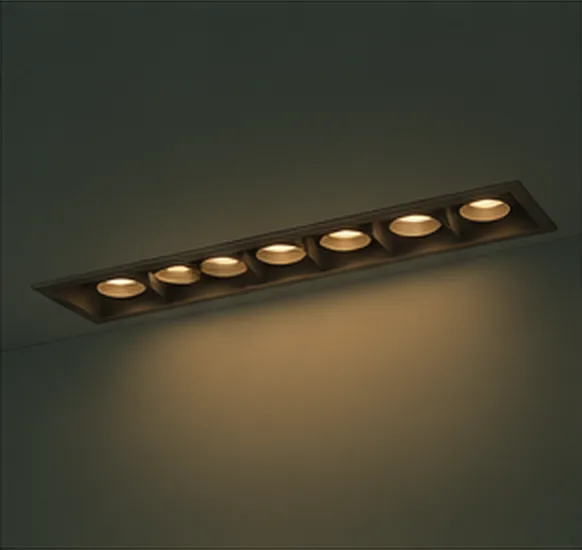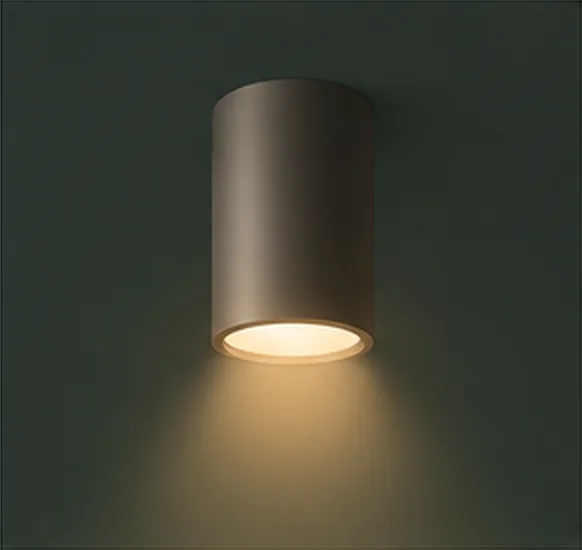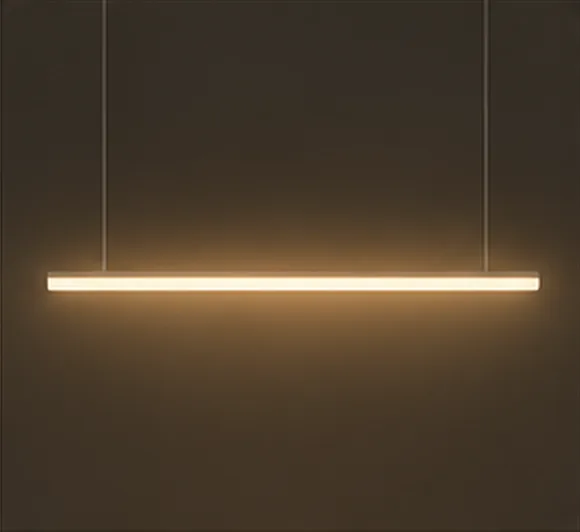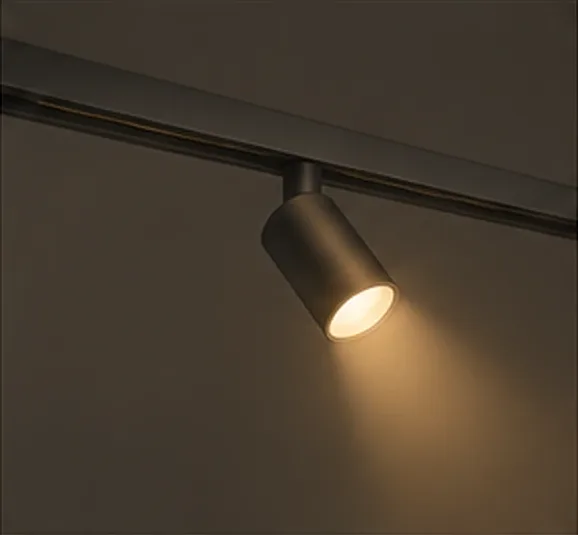
Magnetic track lighting has an unmistakably modern appeal. A clean line runs through the ceiling, and compact light modules can create a surprisingly tidy architectural effect. In reference photographs, the system looks effortless.
But what looks effortless after installation often requires careful decisions beforehand. Magnetic track isn't just another spotlight. It's a system made up of channels, compatible modules, power components and installation details.
Why people like it
A well-planned track can create a disciplined visual language across a living room, showroom or corridor. Depending on the manufacturer and system, different light modules may provide focused, linear or more diffused illumination. Some systems allow modules to be repositioned or changed without rebuilding the whole ceiling.
That flexibility is genuine in principle, but the specifics vary. It is not safe to assume that every light head, channel and power supply from different brands will work together—or that any module will fit any track.
Decide the lighting plan first
It's tempting to begin by drawing dramatic black lines on the ceiling. Begin instead with the room. Do you need illumination on a dining table, a display shelf, a textured wall or a passage? Which beams need to be directed? How much general light should the room have?
Once those questions are clear, you can decide whether a track system is a sensible way to deliver the layers. Sometimes it is. Other times, a combination of standard downlights, concealed profiles and wall lights creates the same useful result with a simpler installation.
The system's geometry should serve the room, not dictate it.
The hidden parts matter
A magnetic track installation involves more than the visible fixture. Channel type, mounting method, compatible power components, wiring, access, joints and finishes must all be coordinated. Recessed and surface-mounted approaches can have very different construction requirements.
Before a ceiling is made, ask for the exact manufacturer's installation requirements. Confirm what can be serviced later and which components must remain accessible. A track joint that looks insignificant in a rendering may become visually obvious if it is poorly planned or finished.
What happens if you change brands later?
This is one of the most important buyer questions. Magnetic systems are not universally interchangeable. Track dimensions, contacts, power arrangements and controls can be proprietary. Even within a supplier's range, older and newer system generations may not be fully compatible.
Ask about spare module availability, replacement parts and the intended operating arrangement, but don't treat a general promise of future flexibility as proof. Specific compatibility and orderability require current model information.
Control and appearance
Some track systems offer dimming, grouping or smart control, but those features depend on exact fixtures, drivers and control protocols. Test the proposed combination rather than assuming it will work because the catalogue mentions a smart variant somewhere else.
Visual comfort matters too. A slim track can look elegant but still place several bright sources directly in the user's line of sight. Focus on beam direction, shielding and where people will stand or sit.
When I would consider another solution
If the ceiling is already completed, a recessed system may involve more disruptive work than expected. If the space needs simple broad illumination, a complex track layout may be unnecessary. And if the owner wants parts from unrelated brands to work together, a proprietary system may not satisfy that goal.
What a complete system quotation should make clear
A reliable proposal should identify the channel profile, mounting method, compatible light modules, power components, connections and relevant controls. It should also distinguish items included in the base system from optional accessories.
A photograph of one magnetic spotlight tells you nothing about the cost or buildability of the complete arrangement. Confirm the system definition before making an architectural commitment to its ceiling geometry.
Magnetic track can be a beautiful architectural tool. The strongest installations are the ones where its modularity, visual language and technical constraints have been considered together. Choose it because it solves the right problem—not simply because it looked beautiful in a photograph.
Explore the lights: Architectural lighting
Have a lighting requirement? Ask us on WhatsApp.