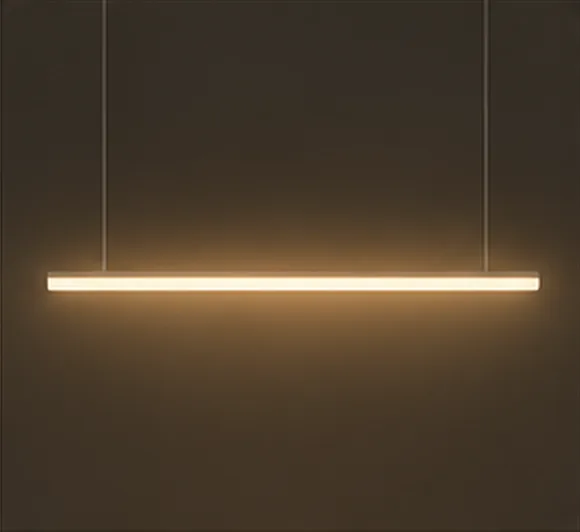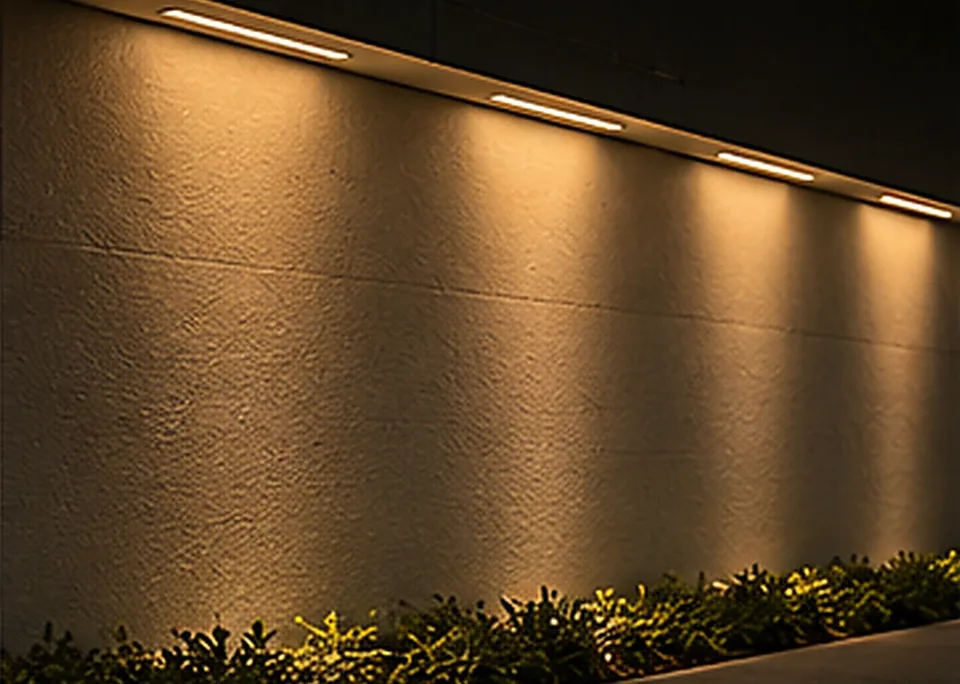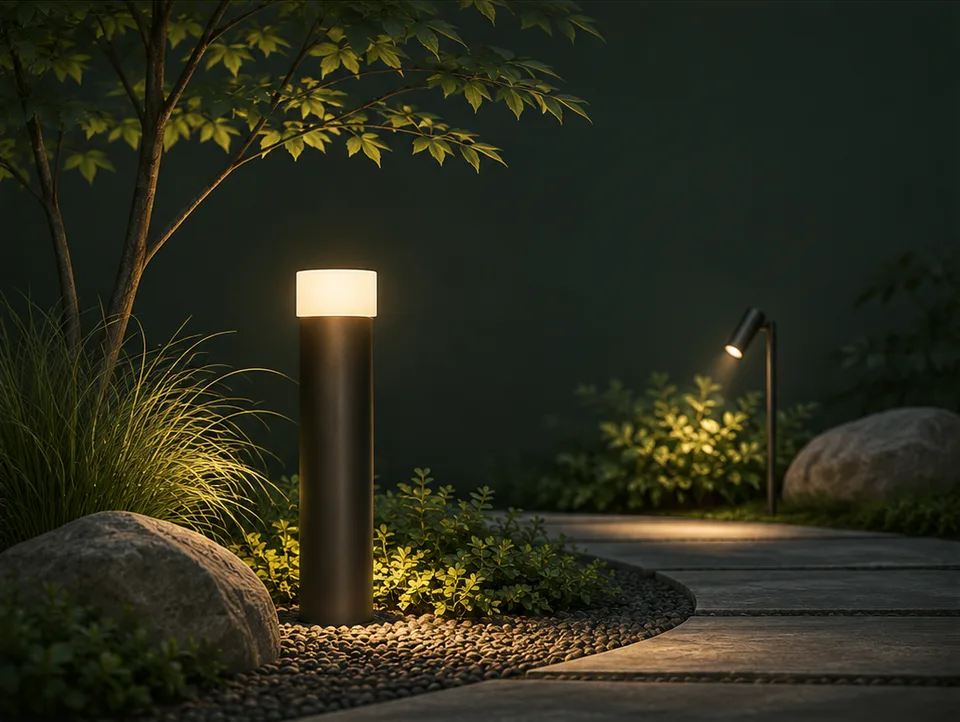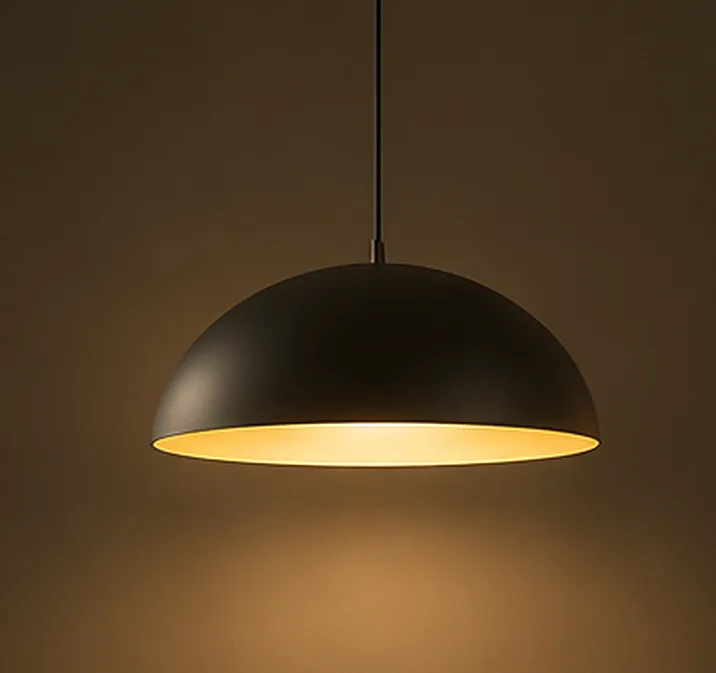
A restaurant can have wonderful food, beautiful furniture and a carefully chosen material palette—and still feel strangely flat after dark. The most common temptation is to blame the decorative pendants or ask for a brighter overall light level.
But a restaurant is not a single lighting task. It is a sequence of different experiences, often happening simultaneously.
The guest arrives before they sit down
The lighting experience begins outside the dining table. Guests need to identify the entrance, move comfortably through a threshold and understand where to go next. A host station may need clear task light. Waiting areas may benefit from a calmer atmosphere, but they still need adequate visibility.
This transition is important. If the entrance is aggressively bright and the dining room is very dark, the visual jump may feel uncomfortable. If everything is evenly bright, the interior may lose the sense of occasion its design is trying to create.
A table is both a task and a moment
Guests want to read menus, see each other and appreciate the food in front of them. Those requirements can coexist with a warm, intimate atmosphere, but not automatically.
A pendant that looks lovely above an empty table may block sightlines or put a bright source at eye level when people sit down. A narrow spotlight can make a plate look dramatic while leaving the faces across the table in deep shadow. The correct approach depends on the table layout, intended visual mood, materials and the actual luminaire distribution.
Light quality matters when food, tableware and interior colours are part of the experience. Look at verified colour-rendering information and sample the result rather than relying on a glamorous catalogue photograph.
Service areas are different
At a service counter, staff need to read, work and move accurately. A circulation route or step change calls for visibility without distracting glare. Kitchens and other back-of-house areas bring their own task, hygiene and safety requirements that should be assessed against applicable design and regulatory guidance.
It is a mistake to impose the dining room's dramatic low-light treatment onto every functional zone. Equally, flooding the whole venue with a generic commercial grid can erase the atmosphere of the customer areas.
Control the scene, not just the switch
Many hospitality spaces change character through the day. Lunch service may coexist with strong daylight. Evening service may call for a different balance of task, accent and ambient light. Cleaning requires a more practical arrangement again.
Lighting groups and, where supported, compatible dimming controls can allow these transitions. But they must be planned and verified as a system. A decorative fitting is not necessarily dimmable, and a driver or control cannot be selected by assumption.
Pay attention to materials and reflections
Mirrors, polished tabletops, glazed partitions and metallic finishes can multiply bright images of light sources. A ceiling plan that looks orderly on paper may create repeated points of glare from a seated guest's perspective.
Review the interior from table height, the host station and service routes. Check reflections, visual comfort and the overall hierarchy. A successful dining room makes the guests and tables feel considered, not the lighting equipment.
The final review should include a real service scenario
Before sign-off, walk the venue in its intended evening condition. Have people sit at actual tables, read menus and move along circulation routes. Observe where staff work and where guests look. Test the separate lighting scenes against that experience.
Make the food and the people visible together
A dramatic pool of light on a plate is not enough if the person across the table is lost in darkness. When testing a restaurant table, look at food colour, faces, the menu and the surrounding circulation area in the same scene. Avoid judging each in isolation.
The most refined hospitality lighting often feels natural because it solves those competing needs so quietly that the guest never thinks about the fixtures.
A restaurant doesn't need one kind of light. It needs a coherent family of lighting decisions that helps every part of the experience work together. That is how atmosphere becomes something guests feel rather than something the designer has to explain.
Explore the lights: Decorative lighting · Lighting for hospitality
Have a lighting requirement? Ask us on WhatsApp.